Crystal Ball: Where Rap’s 10 Biggest Acts Will Be In 10 Years

Now that we’ve acknowledged the 10 Biggest Hip-Hop Acts of 1999: Then and Now, it’s only appropriate that we break out the crystal ball to see which of today’s top rappers will be flipping burgers in 10 years. Grab a seat and join us as we explore the class of 2009 and predict their future.
Plies

NOW: Born Algernod Lanier Washington, Plies wowed mainstream rap fans with songs born and bred for radio like “Shawty,” and “Bust It Baby (Part 2).” Three years into his career, Plies has released three studio albums, two of which were certified Gold, has his fourth titled Goon Affiliated on the way and five out of seven singles have made it into the top 10 on Billboard’s Rap chart.
CRYSTAL BALL: Because he ingrained himself into the club-music scene and due to the success he found from his singles, Plies’ music will continue to be played on mainstream stations and probably be found on NOW: Classics. The man, however, will age and slowly fade into the annals of pop-rap stars. His “Goon” persona will become outdated and be replaced by a younger, fresher face. Plies will live out his days on Miami Beach living off of royalty checks.
T.I.

NOW: T.I. has established himself as one of the kingpins of southern rap. Six studio albums, two compilation albums, 25 singles and having gone platinum five times along with having a “sterling” street record and a slack jawed flow catapulted him into rap’s elite.
CRYSTAL BALL: After the commercial success of parlaying his prison term into a television show and trading in bass-heavy trap music for synth-driven club bangers, TI found himself in an even better position financially. He continued to churn out club songs with gangster-laced lyrics but was criticized by old fans and bloggers for getting away from the sound that he was known for when he initially came into the game. TI decides to save face and puts out an album that revisits his old persona, however after lying dormant for so long the album results in disappointed fans on both sides of the issue. TI releases another mainstream record and recoups his top 40 fans, but the album only goes gold. TI puts out two more albums than he should have that sell less than the previous ones and eventually retires but never stops recording. He often thinks about mounting a comeback but settles back, comfortable with his status as a major player in modern hip-hop.
Kanye West

NOW: A prodigy behind the boards, Kayne West came to fame through Roc A Fella Records and under the tutelage of Jay-Z. Beginning with soul samples and moving towards a hipster-electronic sound, Kanye’s raw talent shone through whatever medium he was painting with. The commercial successes of all four of his studio albums changed the man from Chicago into a fashionista primadonna with excessively expensive tastes and a low tolerance for paparazzi.
CRYSTAL BALL: After releasing 808s & Heartbreak, Kanye felt intense blowback from fans and critics who were looking forward to another rap album and detested the sound and image that he had cultivated. Because of his intense ego, West took it upon himself to prove to his naysayers that he could craft a rap album good enough to bring him back into the good graces of hip-hop heads – and he did. Graduate School went multi-platinum and combined elements of West’s old soul-sampling style with his fetish for electro-rap. Though West featured a slew of contemporary artists, his multi-layered wordplay and penchant for highlighting hot-button issues came out and created a multi-faceted album that spoke to disciples of the rap-game and mainstreamers alike. West put out one more album, The Doctorate, before resigning his throne as one of rap’s premier emcees and spends most of his time producing and running his label.
Rick Ross

NOW: The heavyweight from Florida generated a buzz with tracks like “Hustlin” and “The Boss” as well as his Florida drug kingpin image, however Ross’ record sales tell another story. Having released three albums, two of which went gold, Ross’ image as a cocaine Don holds much less white powder than he’d like it to. Having his public find out he was a corrections officer before he became an emcee, denying it, then admitting to it and trying to justify his actions probably gave his publicist a headache as well.
CRYSTAL BALL: Ross releases two more albums before his label drops him due to poor overall record sales. Label execs tell him that his sound is now tired and he either needs to reinvent himself or he’s done. Rawse is now no longer the Bawse. He continues to make music and it supports him due to his regional fan base, but the once coke-on-a-boat Officer Ricky Ross begins his descent into anonymity.
Lil Wayne

NOW: One of the most popular artists in rap, Wayne has gone platinum nine times over in his six album, umpteenth mixtape career and created a small empire alongside his father, Bryan “Baby” Williams. Wildly controversial and commercially far too easy to swallow, Lil Wayne flooded the mainstream rap market with songs, collaborations and guest spots on virtually every popular song on Top 40 radio. Wayne boasted after the release of Tha Carter III that he was the best rapper alive after he sold 1 million units in the first week.
CRYSTAL BALL: After finding out that his pop rock/rap venture didn’t translate into larger numbers, Wayne went back to recording rap albums for himself. Tha Carter IV was a massive commercial success, despite alienating some critics and older fans due to its more pop appeal. Wayne moves into managing his label and promoting and pushes his releases further apart. Tha Carter V is Lil Wayne’s final project, with him focusing back on the sound he came into the game with in order to bookend his career. Tha Carter V is both a commercial and underground success, catering to mainstream audiences as well as critics and bloggers. Wayne “retires” from rap and spends his time running Cash Money Records.
Young Jeezy

NOW: Beginning his career in 2001, Jay Jenkins, better known as Young Jeezy, released Thuggin’ Under The Influence in 2001 and Come Shop Wit Me in 2003 to little fanfare. It wasn’t until his first major label release, Let’s Get It: Thug Motivation 101, came out that Jeezy was established as a household name. With his signature raspy voice and street hustler persona, Jeezy quickly rose as one of the more popular rappers in the industry. His 2006 release, The Inspiration, spawned the single “I Luv It” which was a huge radio hit.
CRYSTAL BALL: Since his release of The Recession, Jeezy has enjoyed a modestly successful career. Out of his five releases, he’s gone platinum three times over – once for each of his major label albums. Jeezy continues to release albums to similar results. Never becoming a true superstar but maintaining considerable visibility, Jeezy releases three more albums before calling it quits. He regularly is seen around Atlanta in local hotspots.
Mos Def

NOW: A wordsmith of epic proportion, Mighty Mos began his career with Urban Thermo Dynamics, which was comprised of him, his brother and sister. After signing with Rawkus Records, Mos linked up with Talib Kweli and formed Black Star. His solo career is one of an underground artist. For being as recognizable as he is, with his film career in addition to being an emcee, Mos’ albums have never been huge commercial successes with his first solo release, Black On Both Sides, being certified as Gold by the RIAA.
CRYSTAL BALL: After release of The Ecstatic, Mos Def toured for a while playing smaller venues and keeping the buzz around the album tight and controlled. Mos takes three years off from the circuit to write and begin to structure his next release, Impregnable, and repeats the same process. A career musician, Mos Def is canonized in the same category of emcee as KRS-One and the two later release a single together. Mos continues to churn out music until he retires in his fifties.
Eminem

NOW: Eminem grew into a rap legend from his first release, The Slim Shady LP, which has gone platinum four times over in the U.S. and over nine times worldwide. In his career Mathers has gone platinum 58 times and odds are his latest release will only add to that staggering number.
CRYSTAL BALL:  Em does what he does best – shock and awe, then retreat. After Relapse was released and the tour was over, Em found himself back in the studio with Dr. Dre working on his next project, however, Dr. Dre’s perfectionist personality rubbed off on Mathers, as well as his knack for releasing music around once-a-decade. Eminem waits and works on his album until rap begins to question his relevance once more, then springs to life and shocks and awes listening audiences globally. After releasing Group Therapy, he calls it quits and retires from rap citing the industry’s turbulent climate as being too much to handle.
Jay-Z

NOW: A kid who hustled drugs from the Marcy projects grows up to be one of the most influential and powerful artists to have graced the rap-game. Hova created a label, saw it grow step-by-step with his career, went platinum 24 times over in his 13 year career and now owns sports teams, clothing lines and his own music. A true entrepreneur.
CRYSTAL BALL: After releasing The Blueprint III, Â Jay-Z said sayonara to rap for good. As his investment portfolio and net worth grew, so did his concerns. Though music was his number one passion, he understood that he simply did not have the option of not focusing all his energies on managing his empire. Jay zoned in on his label and his holdings, spent more time with his wife and firmly established one of the greatest dynasties rap has ever produced.
Busta Rhymes

NOW: Busta’s commercial releases began to slump in 2001 with the release of Genesis. Since then the Brooklyn emcee incurred a few legal issues but remained in the rap-game as a minor player. His recent release, Back On My BS, though commercially unsuccessful, has marked a resurgence of Busta in rap and through a slew of singles featuring artists new and old, Rhymes seems to be staging a comeback.
CRYSTAL BALL: Busta sticks it out for five more years but eventually tires of the direction and effort it takes to keep an old artist relevant in the fast-paced landscape of modern hip-hop. He releases two mixtapes and one more studio album and puts in a lot of face time with fans by touring but to his chagrin his last release, Busta, doesn’t sit well with either the mainstream or underground groups due to it’s poorly constructed pop/old school hybrid sound. Two  years after retirement Busta goes Gold and Busta feels a footnoted sense of accomplishment. He stays visible in hip-hop by becoming involved with charities to help promote literacy to kids from the inner city.
Go Back To – 10/10 Club: Where Rap’s 10 Biggest Acts of 1999 Ended Up
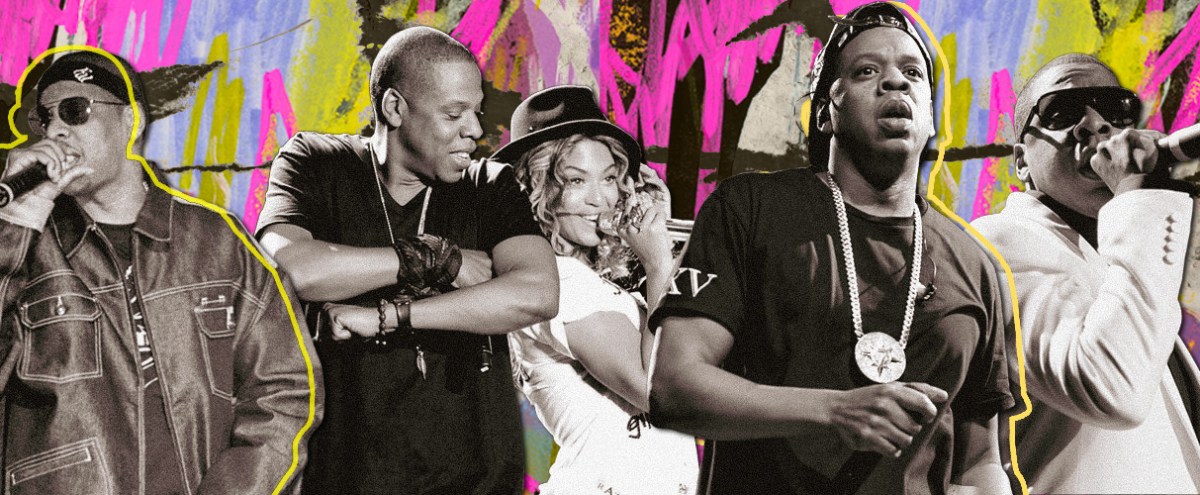
[Huge props to Ivan at Hip-Hop Is Read for helping out with the 10/10 image.]